
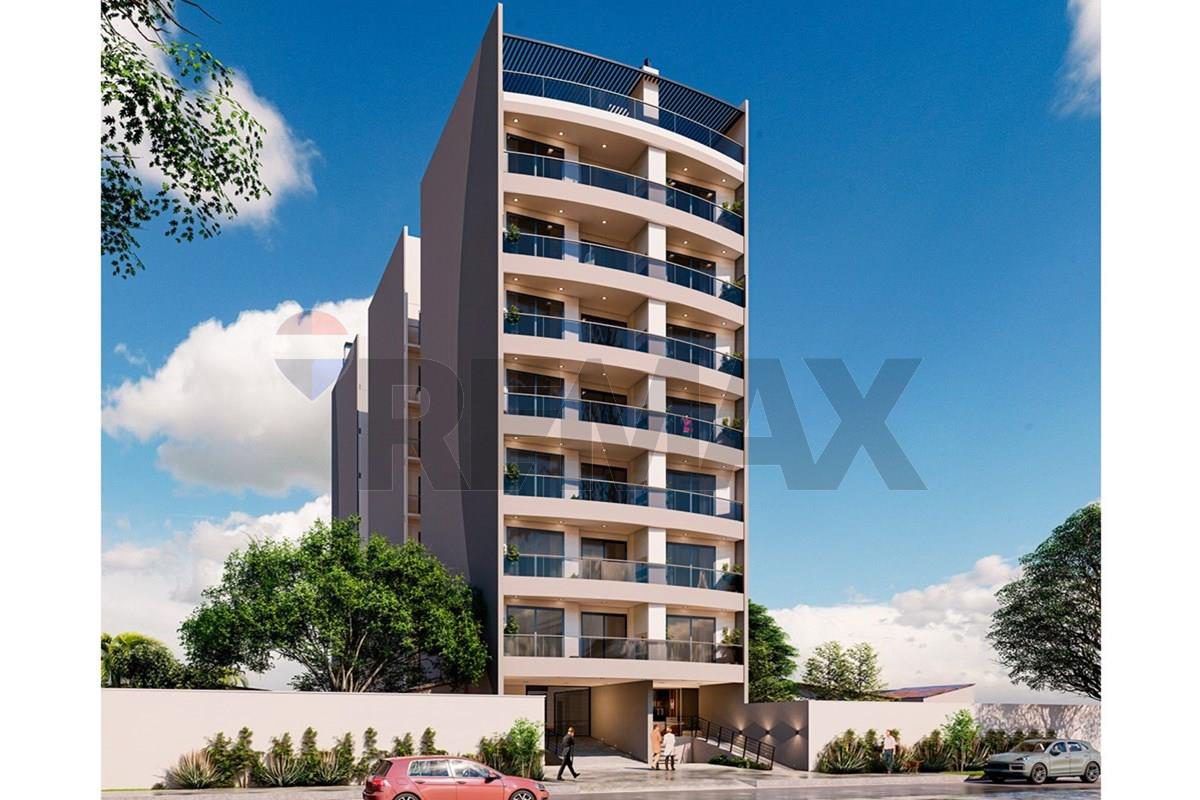
Asunción has become one of the most talked-about rental markets in South America. Prices per square meter are still well below regional capitals, foreigners can own property with no restrictions, and a territorial tax system keeps costs predictable. But not every neighborhood performs the same. This guide compares the areas that matter most for rental investors in 2026: where demand comes from, what yields look like, and which type of unit works best in each zone.
What makes a good rental neighborhood in Asunción
- Tenant demand: offices, universities, shopping centers and embassies create a steady flow of renters.
- Entry price per m²: lower purchase prices usually mean higher gross yields, but sometimes slower appreciation.
- Liquidity: how easy it will be to resell the unit in five or ten years.
- Building amenities: pool, gym, coworking and 24-hour security are now expected by most tenants in new buildings.
- Unit size: studios and 1-bedroom apartments rent fastest and are the easiest to manage.
Market snapshot 2026
- Asking rents for 1-bedroom apartments in Asunción are typically USD 550 to 850 per month, with a median of about USD 730.
- In premium areas such as Villa Morra, Mburucuyá and Manorá, 1-bedroom units often ask USD 850 to 1,200 per month; in traditional neighborhoods they can start around USD 350 to 600.
- The median asking price of a 1-bedroom apartment for sale is about USD 85,000, and many pre-construction units start between USD 55,000 and 75,000.
- Developer projections for traditional long-term rentals of furnished 1-bedroom units are typically about 7% to 9% net per year; short-term (Airbnb-type) rentals are projected higher but depend on occupancy and management. Independent, more conservative calculations usually land at about 6% to 7% net.
Figures are based on asking prices of available listings in Asunción in September 2026 (many rentals are furnished). Final prices vary by building, floor, finishes and negotiation.
1. Villa Morra and Las Lomas (Carmelitas): the corporate heart
This is the business and lifestyle center of Asunción, with Shopping del Sol, Paseo La Galería, international offices, hotels and restaurants within walking distance.
- Who rents here: executives, expats, consultants on assignment and young professionals.
- Typical asking rent (1 bedroom): about USD 750 to 1,000 per month; furnished units are in strong demand.
- Best unit type: studios and compact 1-bedroom apartments in buildings with coworking, gym and pool.
- Pros: the highest resale liquidity in the city and very low vacancy.
- Cons: higher entry price per m² and traffic at peak hours.
2. Ycuá Satí and Santa Teresa: the new corporate corridor
Santa Teresa Avenue has become the second business axis of the city, with new office towers and residential buildings rising every year. Ycuá Satí combines this corporate demand with a quiet residential feel and good schools.
- Who rents here: professionals working in nearby offices, couples and small families.
- Typical asking rent (1 bedroom): about USD 650 to 850 per month, while many pre-construction 1-bedroom units still start around USD 55,000 to 70,000.
- Best unit type: 1-bedroom apartments with a balcony and studios with efficient layouts.
- Pros: limited land and constant new infrastructure support long-term appreciation; pre-construction prices allow entry below finished-unit prices.
- Cons: one of the higher price ranges per m²; many projects deliver in 2027, so income starts later.
3. Recoleta: central, walkable and gastronomic
Recoleta sits between downtown and Villa Morra, around Shopping Mariscal and the popular restaurant area known as La Cuadrita.
- Who rents here: young professionals, students of nearby universities and people who want to walk to cafés and shops.
- Typical asking rent (1 bedroom): about USD 600 to 800 per month.
- Best unit type: 1-bedroom apartments in boutique buildings with rooftop amenities.
- Pros: a strong lifestyle appeal, central location and good connections to both downtown and the business districts.
- Cons: competition from many new boutique projects, so finishes and amenities matter.
4. Barrio Obrero: value and traditional demand
A traditional residential neighborhood close to downtown, with local commerce, schools and public transport.
- Who rents here: local families, workers and small businesses looking for office space.
- Typical asking rent (1 bedroom): about USD 350 to 600 per month, with purchase prices well below the premium areas.
- Best unit type: 1-bedroom apartments in small buildings, which can also be rented as offices.
- Pros: low entry price and stable local demand.
- Cons: fewer building amenities and slower appreciation than the corporate areas.
5. Loma Pytá and the university area: the student market
In the north of Asunción, near the border with Mariano Roque Alonso, new buildings are being designed specifically for university students.
- Who rents here: students and young people studying at nearby universities, and their parents buying for them.
- Typical asking rent: about USD 400 to 500 per month for small units, with entry prices below USD 50,000. Some student projects advertise double-digit returns; treat these figures as optimistic and calculate your own net return.
- Best unit type: furnished studios with study areas, in buildings with laundry, study rooms and security.
- Pros: the lowest ticket in the city and predictable demand each academic year.
- Cons: tenant turnover every year and demand linked to the academic calendar.
Example: a realistic return calculation
- Purchase price of a finished 1-bedroom apartment (about 47 m²) with parking: USD 95,000.
- Furniture (about USD 5,000) and closing costs (about 4%): about USD 8,800. Total investment: about USD 103,800.
- Furnished rent: USD 850 per month, rented 11 months per year: USD 9,350.
- Costs paid by the owner: building fees (expensas) of about USD 70 per month (USD 840 per year), annual property tax of about USD 400, property management (about 8%, USD 750) and maintenance (about USD 300). Total: about USD 2,290.
- Net income before income tax: about USD 7,060 per year.
- Net return: about 6.8% per year, plus any increase in the value of the property.
In Asunción the owner usually pays the building fees (expensas) and the property tax, while the tenant pays electricity and internet. Assumptions are illustrative; check each contract and building.
Quick comparison
- Maximum liquidity and low vacancy: Villa Morra and Las Lomas.
- Balance of yield and appreciation: Ycuá Satí and Santa Teresa.
- Lifestyle and walkability: Recoleta.
- Lowest entry price: Loma Pytá (students) and Barrio Obrero.
Tips before you buy
- Compare the price per m² of the unit, not only the total price.
- For pre-construction, check the delivery date, the payment plan and the legal structure of the project (many use a trust, or fideicomiso).
- Choose compact units: studios and 1-bedroom apartments are the easiest to rent and resell.
- Calculate net returns: include building fees, furnishing, management, vacancy and the tax on rental income.
- Visit the area at different times of the day, or ask a local agent for a video tour.
Conclusion
There is no single best neighborhood: the right choice depends on your budget and strategy. If you want safety and liquidity, look at Villa Morra, Las Lomas and Ycuá Satí. If you want a lower ticket, the student market in Loma Pytá and traditional areas like Barrio Obrero deserve a closer look. In all cases, compact, well-designed units in buildings with good amenities remain the most reliable option for rental income in Asunción.
This article is for general information only and is not financial or legal advice.